
Latest
-

Perspective Drawing Made Clear: One, Two and Three Point
Learn how one-, two- and three-point perspective differ, when to use each, and how to avoid common beginner mistakes.
Must Reads
 Illustration Techniques: Core Methods Every Artist Should Know
 Why Strong Silhouettes Make Better Designs
 Shading Techniques for Form, Volume and Light
 Prop Design for Concept Artists: Objects with Story
 Perspective Drawing Made Clear: One, Two and Three Point
 Alternatives to Photoshop for Digital Painting
 Lighting in Illustration: Creating Drama and Depth
 Line Art Techniques for Clean, Confident Linework
 Using an iPad for Digital Art: Pros, Cons and Setup
 How to Calibrate a Drawing Tablet for Accurate Strokes
 The Path to Becoming a Concept Artist: Skills and Steps
 Graphics Tablet or Pen Display: Which Suits You?
 Digital Art Software and Tools: What to Use and Why
 Free Digital Art Software Worth Trying
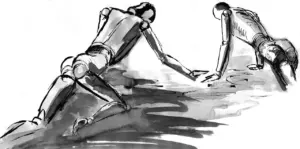 Gesture Drawing: Capturing Movement Quickly
 Concept Art: A Complete Guide to the Craft and Its Process
 Environment Design: Building Convincing Spaces for Stories
 Drawing Tablets Explained: Types, Features and Features to Compare
 Digital Painting for Beginners: Core Skills and Habits
 Digital Painting Brushes: Types, Settings and Uses
 Creature Design: Anatomy, Function and Invention
 A Practical Concept Art Workflow, Step by Step
 Building a Concept Art Portfolio That Shows Your Range
 Composition in Illustration: Guiding the Viewer’s Eye
 Character Design Fundamentals: From First Sketch to Final Look
 Color Theory for Illustrators: Harmony, Value and Mood
 Choosing Your First Drawing Tablet: A Beginner’s Guide
Concept Art
-
Alternatives to Photoshop for Digital Painting
-
Lighting in Illustration: Creating Drama and Depth
-

Line Art Techniques for Clean, Confident Linework
-
Using an iPad for Digital Art: Pros, Cons and Setup
-
How to Calibrate a Drawing Tablet for Accurate Strokes
-
The Path to Becoming a Concept Artist: Skills and Steps
-
Concept Art: A Complete Guide to the Craft and Its Process
A plain-language guide to concept art: what it is, where it fits in production, the main specialities, the process and the tools.
-
Environment Design: Building Convincing Spaces for Stories
A practical guide to environment design: theme, function, storytelling through space and balanced detail.
-
Creature Design: Anatomy, Function and Invention
How to build believable creatures: anatomy, function, real-animal reference and disciplined invention.
-
Building a Concept Art Portfolio That Shows Your Range
How to choose, balance and present work in a concept art portfolio so your range is clear in seconds.
-
A Practical Concept Art Workflow, Step by Step
A step-by-step concept art workflow from brief and reference to thumbnails, feedback, refinement and handoff.
-
Character Design Fundamentals: From First Sketch to Final Look
A step-by-step character design workflow covering silhouettes, shape language, proportion, colour and readability testing.
More guides



Digital Tools
-

Color Theory for Illustrators: Harmony, Value and Mood
A practical guide to hue, value, saturation, colour harmony schemes and mood for illustrators.
-

Choosing Your First Drawing Tablet: A Beginner’s Guide
A plain-language guide to picking a first drawing tablet: pressure levels, active area, pen type and drivers.